Last updated November 25, 2026
How to Hire an ADU Contractor in Everett: A Step-by-Step Guide
Here’s the uncomfortable truth about hiring for an ADU in Everett: the contractor with the strongest résumé in the room is often the wrong fit. A builder who has framed 50 custom homes has almost certainly never steered a detached ADU through Everett’s permit desk, and that gap doesn’t show up in a reference call. It shows up in the calendar, in the inspection schedule, and in the change orders that land three months in. An ADU is a second dwelling on a residential lot, which means it touches zoning, utility capacity, fire access, and life-safety rules a kitchen remodel never does. This guide walks you through how to vet a contractor specifically for that reality. You’ll learn what to verify before you sign, which questions expose real ADU experience, how to read a scope of work for completeness, and the red flags that should end the conversation early.
Quick Answer
To hire an ADU contractor in Everett, verify three things before anything else: that the contractor is licensed and insured as the state requires, that they can walk you through Everett’s ADU permit path and name who reviews the application, and that their written scope of work spells out who pulls permits, who manages inspections, and what’s excluded. Then compare at least three estimates on identical scope, and favor a design-build ADU specialist over a general contractor who builds ADUs occasionally. The right hire reduces project risk more than any single line item in the bid.
Table of Contents
- Why hiring for an ADU is different from hiring for a remodel
- What to verify about licensing, insurance, and ADU track record
- The questions that reveal real Everett permit experience
- How to read an ADU scope of work for completeness
- Design-build vs. hiring a designer and contractor separately
- Prefab vs. custom-built: what changes in your contractor search
- Red flags specific to ADU projects
- Common mistakes to avoid
Why Hiring for an ADU Is Different From Hiring for a Remodel
A kitchen remodel is a renovation. An ADU is new residential construction on a lot that already has a house, and that changes everything about the contractor selection process. The scope includes utility capacity, separate metering decisions, fire separation, access for emergency vehicles, and site work that a remodel rarely touches. The permit path is also different: most cities require a full permit for a new dwelling unit, and Everett is no exception. We explain the rules in general terms here, and confirm the specifics with the city’s planning and building department before any plan is final.
The coordination burden is the other big difference. A remodel usually involves one trade at a time. An ADU stacks design, structural, mechanical, electrical, plumbing, and site work into a compressed sequence, and each stage depends on the one before it passing review. If your contractor is used to scheduling a single crew, they’ll be learning on your project.
What this means for your search:
- Scope depth: The bid should account for site work, utilities, and inspection management, not just the structure.
- Permitting ownership: Someone has to own the permit application and the back-and-forth with the city. Confirm who.
- Sequencing knowledge: Ask how they structure the design, permit, and construction phases, and why the order matters.
- Single point of accountability: When a question comes up, is there one person who answers, or a chain of trades pointing at each other?
For a broader look at how an Everett ADU project gets built from the ground up, our main page on ADU Builder Everett covers the full path from lot review to move-in.
What to Verify About Licensing, Insurance, and ADU Track Record
Start with the basics, then go deeper. The basic layer is what every homeowner should check for any residential project: the contractor is licensed and insured as their state requires, and you can confirm the license is active. The deeper layer is ADU-specific experience, and that’s where most vetting stops too soon.
The verification checklist
- License status: Confirm the contractor’s license is current and active. Ask for the license number and verify it through the state’s contractor licensing system.
- Insurance and bonding: Request a certificate of insurance showing general liability coverage, and confirm bonding. Call the insurer if you want to double-check the policy is live.
- ADU-specific project history: Ask how many ADUs they’ve completed in the past two years, and in what formats: detached, garage conversion, junior ADU, or addition. A contractor who has done only detached units may not know the conversion path.
- Format range: A specialist should be comfortable with all of them, because the right solution depends on your lot and budget, not on what’s easiest to build.
- Subcontractor relationships: Ask which trades they bring in and how long they’ve worked with them. Repeat relationships usually mean smoother scheduling.
- Written references: Request references from ADU clients specifically, not just any past customer.
On the licensing question, the distinction that matters is general vs. specialty. A licensed general contractor can legally build an ADU, but the license class alone tells you nothing about whether they’ve navigated the ADU permit process. That’s why the experience questions in the next section carry more weight than the license check by itself.
One note on tenure: experience on the crew matters, but it’s not the same as specialization. Our technicians have up to 12 years of experience, and that depth is useful. What you’re really screening for, though, is whether the firm’s work is ADUs and nothing else.
The Questions That Reveal Real Everett Permit Experience
Any contractor can say they know the ADU rules. The questions below separate the ones who do from the ones who’ve read a summary. The core issue is that Everett’s ADU process has city-specific requirements, and a contractor who has only worked in other jurisdictions will be learning them at your expense.
Ask these five questions
- “Who at the City of Everett reviews your ADU applications, and have you talked to them this year?” A contractor with real local experience can describe the process and the people they work with. One who can’t name a permit contact or describe the review sequence hasn’t been through it recently.
- “What’s the difference between an ADU and a JADU in this city, and when would you recommend each?” The answer should be specific to your lot, not a general definition. A specialist explains trade-offs in size, cost, and utility independence.
- “How do you handle a lot that may not meet setback or height requirements?” The honest answer is that the rules depend on the city and the lot, and that they confirm with the planning department before finalizing plans. A contractor who promises a variance on the spot is guessing.
- “What utility upgrades does this lot likely need, and how would you find out?” ADUs often require confirming water, sewer, and electrical capacity. A contractor who doesn’t raise this before quoting is skipping a major cost driver.
- “Walk me through your last three ADU projects from application to final inspection.” Specific process, not stories. If the answer is vague, the experience is thin.
If you’re weighing a smaller project, the questions shift slightly. A junior ADU has its own set of requirements around the existing home, so ask specifically how the contractor handles the connection between the new unit and the primary house.
Our team handles permits directly, so the answer to question one is always a specific person on our end owning the application. That’s a reasonable minimum standard for anyone you hire.
How to Read an ADU Scope of Work for Completeness
A bid is only as useful as its scope. Two contractors can quote the same headline number and deliver radically different projects, because one included site work and inspection management and the other left them as “to be determined.” Read every line, and look for these six elements.
The six things every ADU scope should spell out
- Who pulls the permits. The contract should state plainly whether the contractor pulls the permit or you do. In an ADU, this is rarely something a homeowner should take on; the application requires drawings, engineering, and a working relationship with the city.
- Who manages inspections. Each phase of construction requires inspection before the next begins. The scope should say who schedules them and who’s responsible for a re-inspection if something fails.
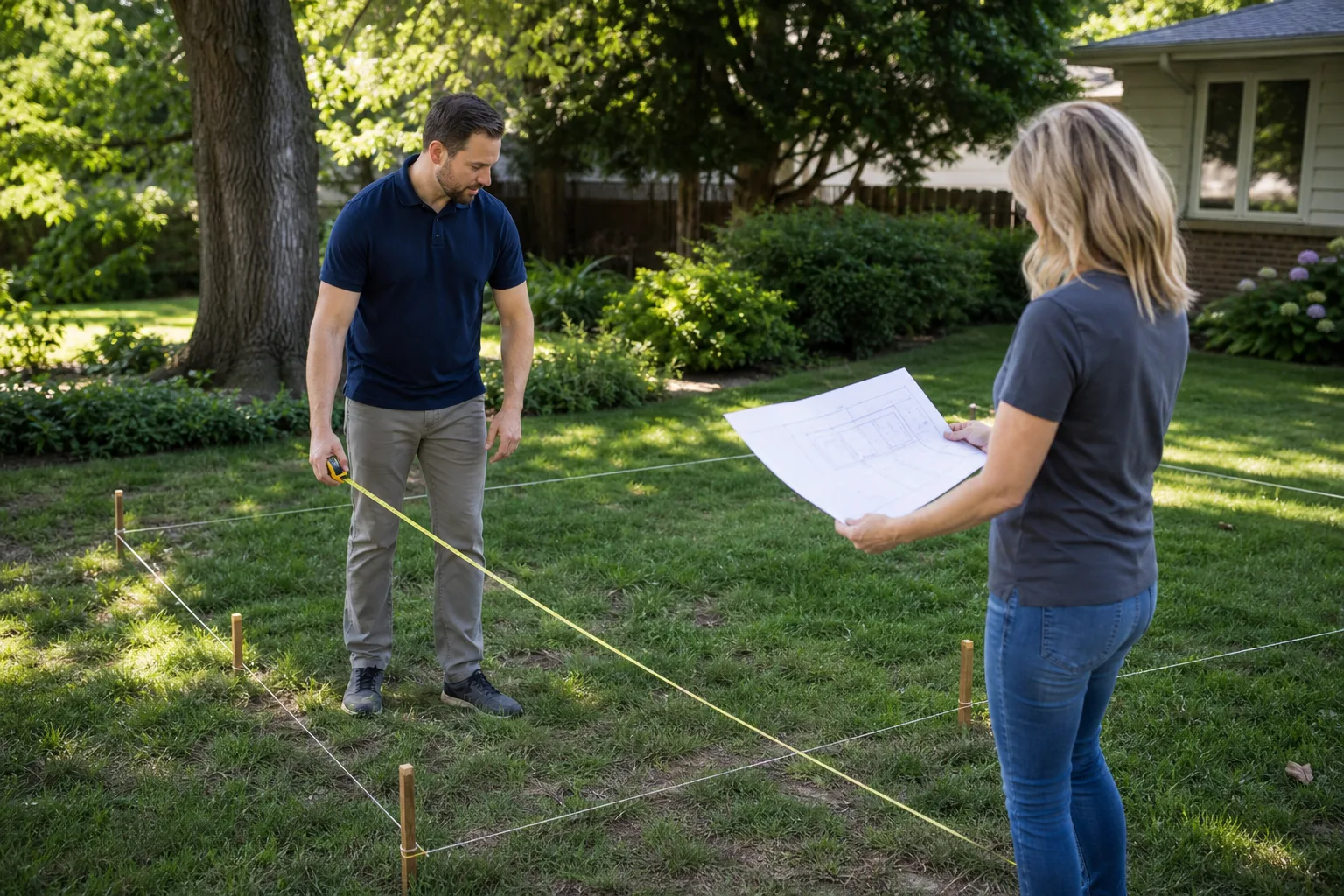
- What’s included in site work. Excavation, grading, drainage, and utility trenching can swing the total significantly. Get a line item, not an “as needed” note.
- Utility connections and upgrades. Water, sewer, electrical, and gas scope should be itemized, including any capacity upgrades the lot requires.
- Explicit exclusions. A good scope names what it does not cover: landscaping beyond grading, fencing, appliance packages, finishing details. Exclusions aren’t a red flag; vague ones are.
- How changes are handled. Ask for the change-order process in writing. You want to know, before work starts, how a mid-project change gets priced and approved.
The scope review is where a lot of ADU projects go sideways. A bid that looks low often excludes the parts that are hardest to price, and those come back as change orders later.
Compare bids on identical scope
Before you request estimates, write down your own scope list and give the same version to every contractor. Then compare line by line, not bottom line to bottom line. If one bid is dramatically lower, the difference is almost always in what isn’t written down. Our written line-item quotes are built so you can do exactly this comparison.
Design-Build vs. Hiring a Designer and Contractor Separately
You have two structural options: hire a designer or architect and a contractor separately, or hire a firm that handles design, permitting, and construction under one agreement. The separate-path approach can work, but it adds a coordination layer you manage yourself. Every design revision has to be relayed to the builder. Every constructability question goes back to the designer. When the permit reviewer asks for a change, someone has to decide who handles it and who pays for it.
There’s also a subtle incentive problem. When the designer’s job ends at permit approval and the contractor’s begins at construction, neither party owns the handoff. That’s where ADU projects stall.
A design-build firm owns the whole sequence. The same team that draws the unit builds it, so constructability gets caught before the permit is submitted, not after. And when the city sends a question, there’s no relay race.
Questions to ask both types of firms:
- Who is my single point of contact? One name, one number.
- Who owns the permit from application through final inspection? Look for a clear answer.
- What happens if the city requires a design change after submission? Ask who handles it and how it’s priced.
- Can you show me a project where design and construction were handled by one team? Specific process, not a portfolio.
Every ADU Builder Everett project runs from design through permitting through construction under one team, so you don’t hire a separate architect or manage a permit expediter yourself.
Prefab vs. Custom-Built: What Changes in Your Contractor Search
Prefab is a real option for an Everett ADU, and it’s worth understanding before you start vetting contractors, because the search changes depending on which path fits your lot. A prefab unit is manufactured off-site and assembled on your property. A custom build is framed where it stands. Prefab often suits homeowners who want design consistency and a more predictable construction phase. Custom is the better fit when your lot is irregular, when the unit needs to integrate with the main house, or when a garage conversion or JADU is the smarter right-size answer for your property.
What changes in your contractor search:
- Prefab requires a partner, not just a builder. You need a contractor who is authorized to work with the manufacturer, because site work, foundation, utility connections, and assembly still happen on your lot and still need a licensed contractor to manage.
- Site work is the great equalizer. Even a factory-built unit needs a foundation, utility trenching, and grading. Make sure the prefab bid details who handles that.
- Custom requires a broader design conversation. Ask how the contractor matches the unit’s design to your lot and the main house.
A prefab path is easiest when the contractor is already authorized by the manufacturer. Our ADU specialist team works with premium prefab brands including Abodu and Dvele, alongside custom builds, so we can recommend the right-fit format for your property rather than steering you to whatever we happen to build.
Red Flags Specific to ADU Projects
These are the signs that should make you slow down. They’re not generic contractor complaints; each one points to a specific risk in an ADU project.
- A quote before a site review. An ADU estimate depends on utility capacity, slope, access, and existing structures. A contractor who gives you a number without looking at the lot is guessing, and the guess will move.
- No named permit contact. If they can’t describe who reviews their applications at the City of Everett, they haven’t been through the process lately. Ask when they last submitted an ADU permit.
- No questions about utility hookups. Water, sewer, and electrical capacity are major cost drivers, and a contractor who doesn’t ask about them is skipping the part that most often causes surprises.
- Vague scope with “allowances.” Wide allowances on site work, utilities, or finishing are a way to keep the headline bid low while the final price climbs. Get line items instead.
- No explanation of the inspection sequence. ADU construction requires inspections at multiple stages. A contractor who can’t walk you through them isn’t managing the project tightly.
- Pressure to sign before you’ve compared bids. A real estimate doesn’t expire because you wanted to compare three of them.
- “We do ADUs too.” A general contractor who builds ADUs occasionally can be fine, but the code and zoning landscape shifts. A firm that specializes tracks those changes continuously; a generalist catches up on your project.
If a contractor clears these red flags and can name their permit contact, you’re on solid footing. If they fail two or three, keep calling.
Common Mistakes to Avoid
We see the same missteps come up in Everett ADU projects. Each one is avoidable if you plan the search before you start calling.
- Comparing bids without a scope you wrote down. If each contractor quotes a different scope, you’re comparing apples to oranges. Write your own scope first and give the same version to every bidder.
- Hiring a general contractor for an ADU “because the price was right.” A lower bid from a firm without ADU experience often costs more once permit rework and change orders land.
- Skipping the utility capacity question. On many Everett lots, the question of whether the existing water and sewer lines can support a second unit is the biggest unknown. Ask early; don’t discover it mid-build.
- Hiring a designer and contractor separately to save on coordination. You end up as the project manager, relaying decisions between two parties who should be talking to each other.
- Assuming a prefab unit skips site work. It doesn’t. Confirm in writing who handles foundation, grading, and utility connections on a prefab build.
- Not asking about garage conversion or JADU alternatives. Sometimes a smaller format gets you to rental income or multigenerational living at a lower cost than a detached unit. A garage conversion is often the right-sized option for an existing garage with good bones.
- Choosing a contractor who quotes without visiting the property. An ADU estimate without a site review is a placeholder, not a number.
When to Call a Professional
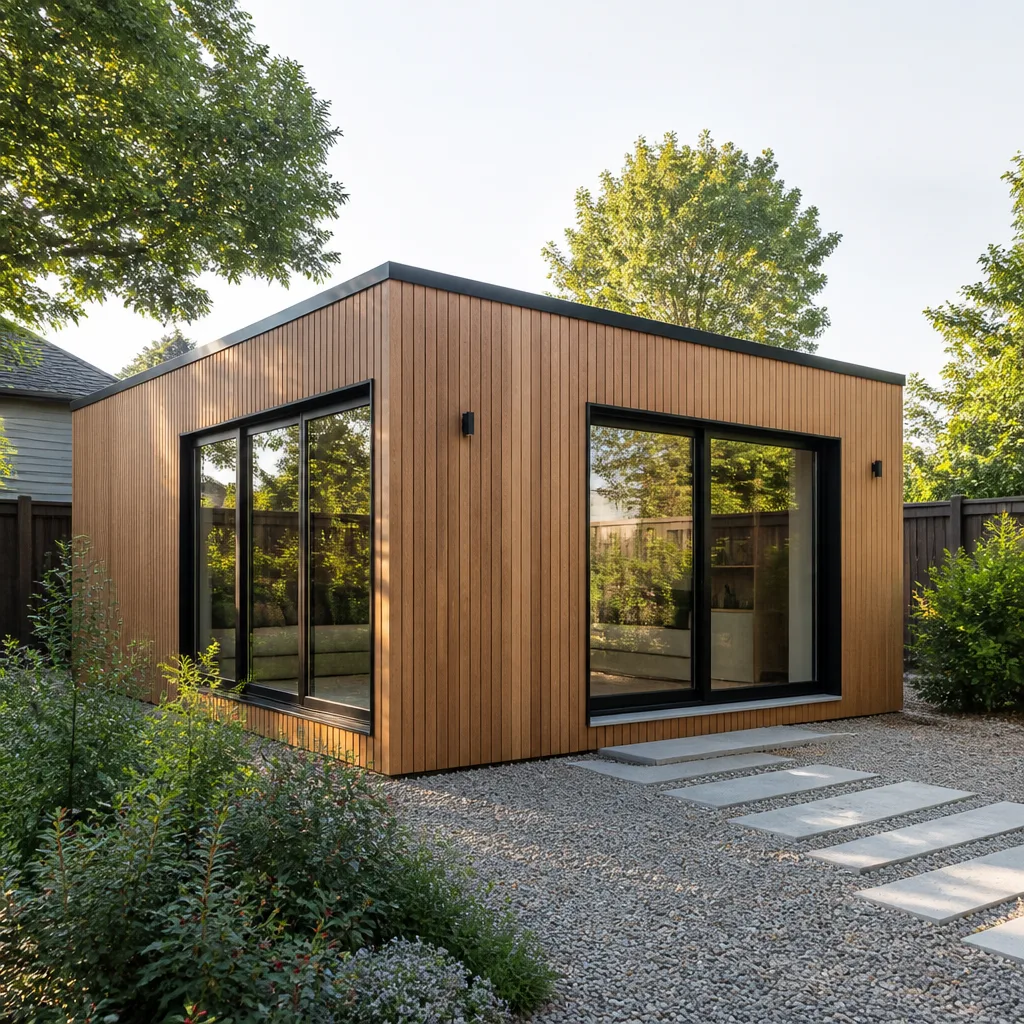
Some homeowner projects are fine to handle yourself. An ADU isn’t one of them. The moment you’re thinking about a detached unit, a garage conversion, or a JADU, that’s the right time to get a professional on the phone.
Specific scenarios where we’d recommend calling sooner rather than later:
- You’re considering a garage conversion and aren’t sure whether the existing structure qualifies. That question needs site review, not research.
- You’ve sketched a detached unit and want an honest read on whether your lot supports it.
- You’re ready to get permit-ready plans and don’t want to hire a separate architect and permit expediter.
- You’ve received three bids and they’re wildly different. A specialist can help you read them.
- You want to understand whether a prefab brand like Cover or Abodu or a custom build fits your property and budget.
The vetting questions in this guide are a start, but the real answers come from a conversation about your specific lot. ADU Builder Everett offers free estimates in Everett. Call (425) 645-3459 and we’ll set one up.
Frequently Asked Questions
You can legally hire a general contractor, but the risk is meaningful. An ADU involves zoning, utility capacity, and a permit path a typical general contractor rarely handles, and the cost of a learning curve lands on your project. A specialist firm has been through the process repeatedly and knows the local code landscape. If you do hire a generalist, ask the permit questions in this guide and favor one with a clear ADU project history.
Costs vary too widely across ADU formats, lot conditions, and finishes to give a single number responsibly. A garage conversion or JADU is generally the lowest-cost entry point; a detached custom unit sits at the top. Instead of a headline price, ask every contractor for a written line-item estimate that itemizes site work, utilities, and construction separately so you can compare like with like. Our estimates are free, and the price is set by the written estimate. Call (425) 645-3459 for an exact quote.
Not if the scope is complete. Price changes come from incomplete scopes, and the three most common culprits are site work, utility upgrades, and design changes required after permit submission. Get site work and utility scope itemized before you sign, confirm the change-order process in writing, and you’ll go into construction with a number you can trust. Our written line-item quotes are built to prevent mid-project surprises.
Yes. We handle permitting directly, so you don’t hire a separate permit expediter or manage the application yourself. We confirm the specific requirements with the City of Everett before plans are final. The exact rules depend on your lot and your unit type, so the conversation has to be specific to your property.
A prefab unit is manufactured off-site and assembled on your property, which often suits homeowners who want design consistency and a more predictable construction phase. A custom build is framed on-site and can better fit an irregular lot or integrate closely with your main house. Either path still requires foundation work, utility connections, and site work, so confirm who handles those before you sign. We work with premium prefab brands including Abodu and Dvele, alongside custom builds, so we can recommend the right fit.
The schedule depends on the unit type, lot conditions, and the permit timeline, which is why we set the schedule in the written estimate rather than quoting a number up front. Design, permitting, and construction are three distinct phases, and each one carries its own timeline. The best way to get a realistic schedule is to have us review your lot. Call (425) 645-3459 to schedule a free estimate.
The Bottom Line
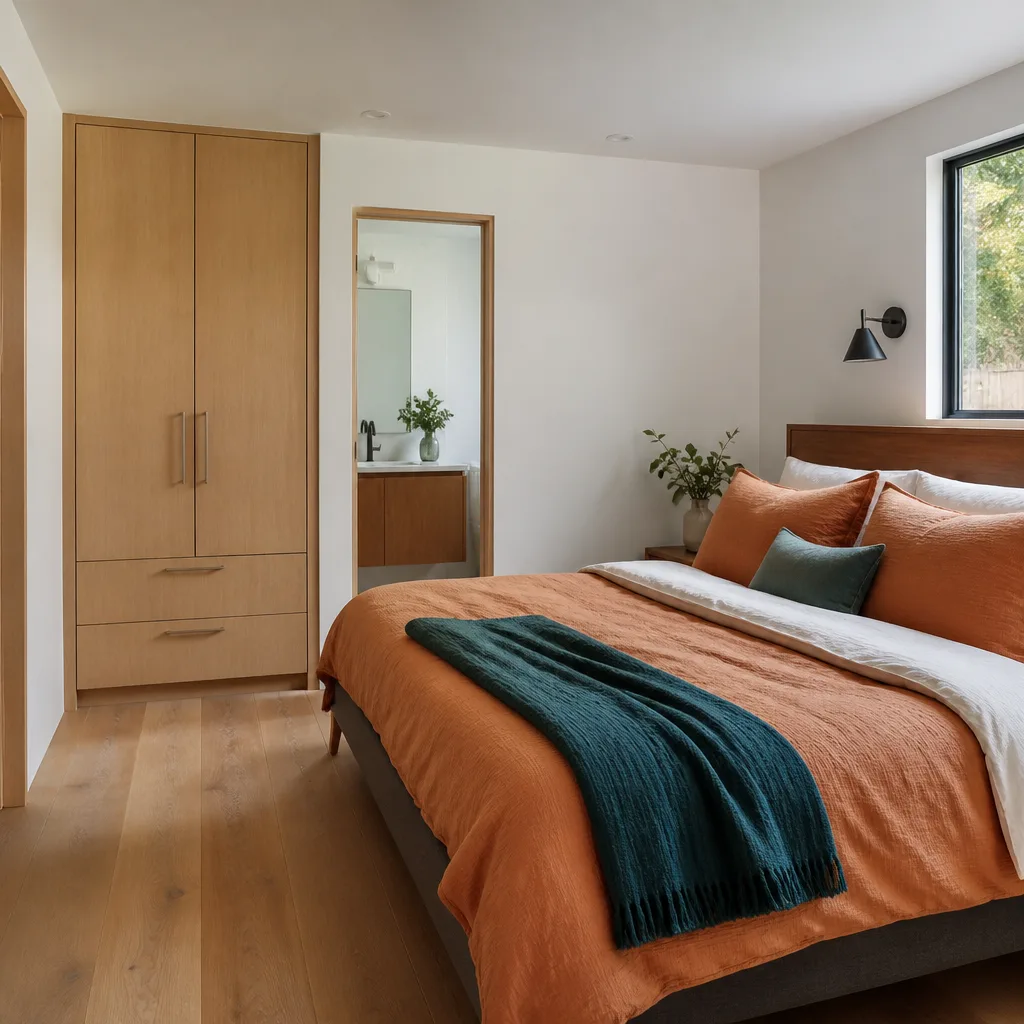
Hiring an ADU contractor in Everett isn’t the same as hiring for a remodel. Verify licensing and insurance, confirm ADU-specific project history, ask the permit questions that separate real experience from general familiarity, and read the scope of work line by line. Favor a design-build ADU specialist over a general contractor who builds ADUs occasionally, because coordinating design and construction yourself is the most common way projects stall. Get at least three estimates on identical scope, watch for quotes that arrive before a site review, and don’t overlook a garage conversion or JADU if it fits your lot better. The right contractor removes the surprises; the wrong one creates them.
If you’re ready to compare an ADU estimate for your property, call (425) 645-3459. A specialist will review your lot, answer your questions, and put a written line-item estimate in your hands at no cost. We answer 24/7. Fast dispatch from 7am to 7pm, Sunday through Friday.
Explore our main service pages for the format that fits your goals: ADU builders for detached custom builds, and design-and-permit services if you already have a plan and need it permit-ready. If you’re not sure which format suits your lot, that’s the conversation to start with.
Written by the team at ADU Builder Everett.